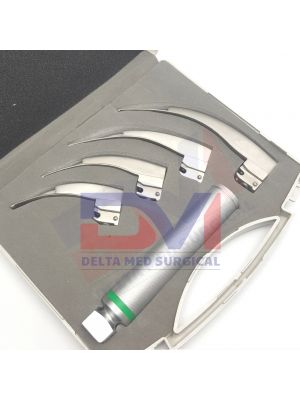
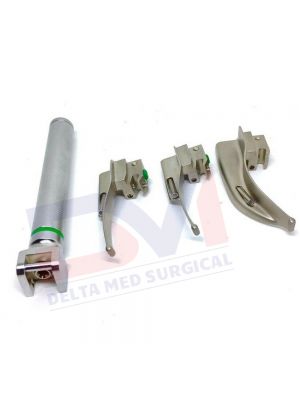
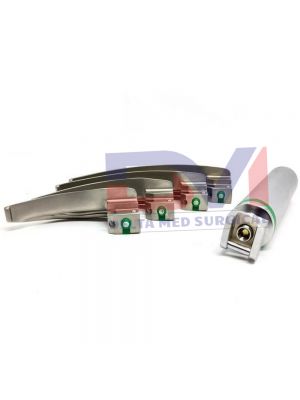
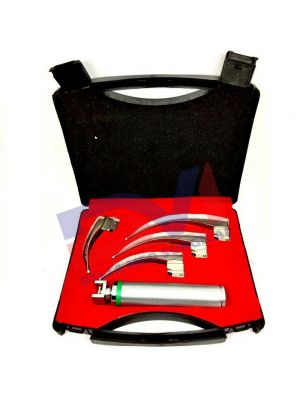
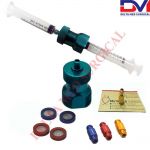
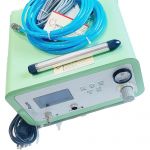
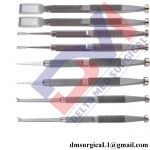
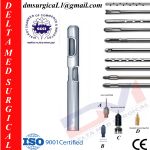
ENT Instruments – Professional Ear, Nose, and Throat Surgical Tools
High-Quality ENT Instruments for Medical Professionals
ENT instruments are specialized medical tools used for the diagnosis, examination, and surgical treatment of conditions related to the ear, nose, and throat (ENT). These instruments play a critical role in both routine clinical examinations and advanced surgical procedures performed by ENT specialists, surgeons, and healthcare professionals.
High-quality ENT surgical instruments are designed to deliver precision, durability, and reliability during medical procedures. Manufactured using medical-grade stainless steel, these instruments ensure long-lasting performance, resistance to corrosion, and compatibility with sterilization processes.
Healthcare facilities such as hospitals, clinics, surgical centers, and medical training institutions rely on professional ENT instruments for accurate diagnosis and safe treatment of ENT-related conditions.
Importance of ENT Instruments in Medical Practice
ENT specialists depend on a wide range of instruments to examine and treat conditions affecting the ears, nasal cavity, sinuses, throat, and related structures. From simple examinations to complex surgeries, the correct instruments allow doctors to perform procedures with precision and safety.
Professional ENT diagnostic instruments enable healthcare providers to identify infections, blockages, inflammation, and other abnormalities. Meanwhile, specialized ENT surgical instruments are designed to support delicate procedures within the ear canal, nasal passages, and throat.
Because ENT procedures often involve small and sensitive anatomical structures, high-quality instruments are essential to ensure accurate results and minimize patient discomfort.
Types of ENT Instruments
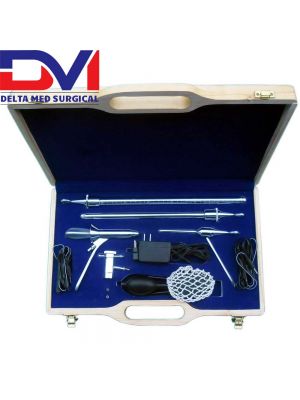
A complete ENT instrument set typically includes a variety of diagnostic and surgical tools designed for different procedures.
Ear Examination Instruments
Ear instruments are used to inspect the ear canal, diagnose infections, and remove foreign objects.
Common ear instruments include:
- Otoscope
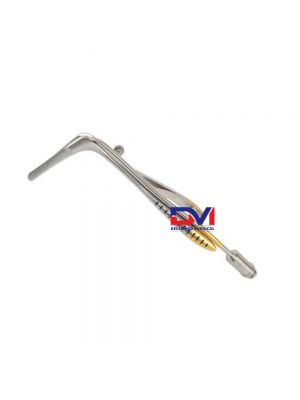
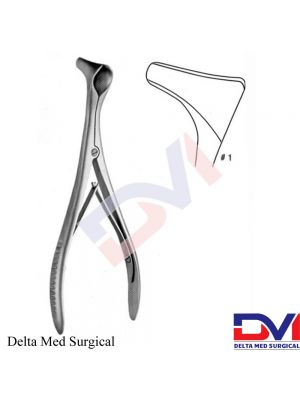
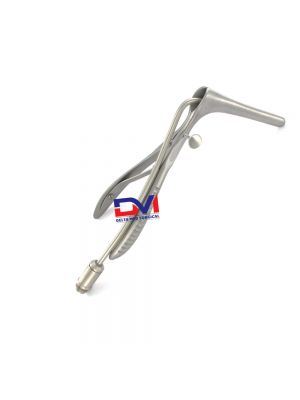
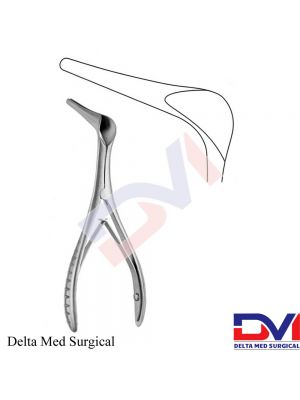
- Ear speculum
- Ear forceps
- Cerumen curettes
- Ear suction tubes
These tools allow doctors to clearly view the tympanic membrane and ear canal, helping diagnose ear infections, wax buildup, and other conditions.
Nasal Examination Instruments
Nasal instruments help doctors examine and treat conditions within the nasal cavity and sinuses.
Typical nasal instruments include:
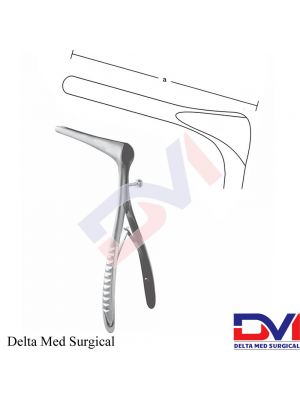
- Nasal speculum
- Nasal forceps
- Nasal suction tubes
- Sinus instruments
These instruments assist physicians in diagnosing issues such as nasal blockages, sinus infections, polyps, and structural abnormalities.
Throat Examination Instruments
Throat instruments allow healthcare professionals to inspect the throat and larynx.
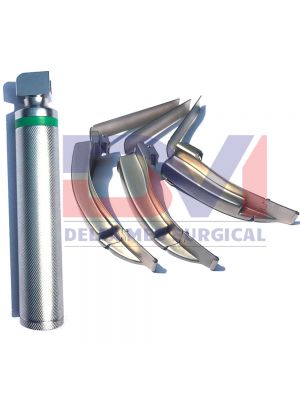
Common throat instruments include:
- Tongue depressors
- Laryngeal mirrors
- Throat forceps
- Suction instruments
These tools are essential for diagnosing throat infections, vocal cord issues, and other laryngeal conditions.
ENT Surgical Instruments
ENT surgical procedures require highly specialized instruments designed for precision and safety. These instruments are commonly used in operating rooms during ENT surgeries.
Examples of ENT surgical instruments include:
- Tonsil forceps
- Adenoid curettes
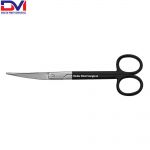
- Nasal scissors
- Suction tubes
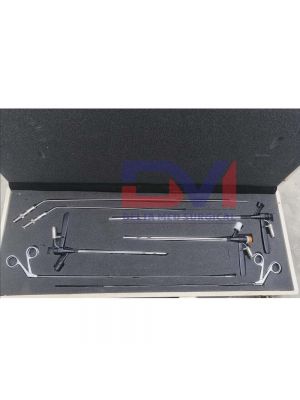
- Micro ENT instruments
These surgical tools help ENT surgeons perform procedures such as:
- Tonsillectomy
- Sinus surgery
- Ear surgery
- Nasal septum correction
Materials Used in ENT Instruments
Professional ENT instruments are typically manufactured using high-quality surgical stainless steel. This material offers several important benefits:
Corrosion Resistance
Medical-grade stainless steel resists rust and corrosion, ensuring long-term use in clinical environments.
Sterilization Compatibility
ENT instruments can be safely sterilized using autoclave systems, which is essential for maintaining hygiene and infection control.
Precision and Durability
High-quality materials ensure that instruments remain sharp, precise, and reliable during repeated medical procedures.
Features of High-Quality ENT Instruments
When selecting ENT instruments, healthcare professionals look for specific features that ensure safety and efficiency.
Precision Design
ENT procedures require extremely precise instruments to work in small anatomical areas.
Ergonomic Handling
Comfortable handles and balanced designs allow surgeons to maintain control during procedures.
Durable Construction
Medical-grade materials ensure instruments last for many years with proper care.
Easy Sterilization
Autoclave-safe instruments help maintain strict medical hygiene standards.
Applications of ENT Instruments
ENT instruments are widely used across many medical environments, including:
Hospitals
ENT departments rely on specialized instruments for both diagnostic and surgical procedures.
Private Clinics
General practitioners and ENT specialists use these instruments for routine examinations.
Surgical Centers
Advanced ENT surgeries require high-precision surgical tools.
Medical Universities
Medical students use ENT instruments during training and clinical practice.
Benefits of Professional ENT Instruments
Using professional-grade ENT instruments provides several advantages:
- Accurate diagnosis of ENT conditions
- Improved patient safety during procedures
- Greater precision in surgical operations
- Long-term durability and reliability
- Compatibility with sterilization protocols
These benefits make ENT instruments an essential part of modern medical equipment for healthcare facilities worldwide.
Maintenance and Care of ENT Instruments
Proper care is important to ensure the longevity and performance of ENT instruments.
Recommended practices include:
- Cleaning instruments immediately after use
- Sterilizing using approved autoclave procedures
- Storing instruments in protective cases
- Regular inspection for wear or damage
Following proper maintenance guidelines helps preserve the performance and safety of surgical instruments.
Choosing the Right ENT Instruments
Selecting the right ENT instruments depends on several factors:
- Type of procedures performed
- Quality of materials used
- Instrument precision and durability
- Compliance with medical certification standards
Healthcare professionals should always choose instruments manufactured according to international medical standards such as CE and ISO certifications.
Why Choose Professional ENT Instruments
High-quality ENT instruments ensure accurate diagnosis, safe procedures, and reliable clinical outcomes. For hospitals, clinics, and healthcare providers, investing in premium ENT tools helps improve patient care and operational efficiency.
From routine examinations to advanced surgeries, professional ENT instruments remain an essential part of modern medical practice.
Frequently Asked Questions (FAQ)
What are ENT instruments?
ENT instruments are medical tools used by doctors to diagnose and treat conditions related to the ear, nose, and throat.
What materials are used in ENT instruments?
Most ENT instruments are made from medical-grade stainless steel, which provides durability, corrosion resistance, and sterilization compatibility.
Who uses ENT instruments?
ENT specialists, surgeons, general practitioners, and medical students commonly use ENT instruments.
Are ENT instruments reusable?
Yes, most ENT instruments are reusable and can be sterilized using autoclave systems for safe medical use.
|