|
Surgical Instrument Care: Maximizing Longevity and Performance
The Importance of a Professional Maintenance Protocol
The lifespan of a surgical instrument is determined as much by its post-operative care as by its manufacturing quality. Proper instrument care and sterilization are critical to preventing corrosion, maintaining mechanical functionality, and ensuring patient safety. Stainless steel, while highly resistant, is not "stain-proof"; it relies on a passive chromium-oxide layer for protection. Exposure to harsh chemicals, improper cleaning, or blood drying on the surface can compromise this layer, leading to pitting, "star" corrosion, and premature instrument failure.
The Critical Cleaning Phase: Decontamination and Rinsing
The care cycle must begin immediately after a procedure. Blood and saline are highly corrosive and should never be allowed to dry on an instrument.
- Pre-Cleaning: Instruments should be rinsed under cool, demineralized water immediately after use.
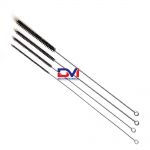
- Manual Cleaning: Use only pH-neutral detergents and soft nylon brushes. Avoid steel wool or abrasive pads, which can scratch the protective finish.
- Ultrasonic Cleaning: This is the most effective method for removing bio-burden from hard-to-reach areas like box joints and ratchets. Ensure that instruments of different metals (e.g., stainless steel and chrome-plated) are processed in separate cycles to prevent galvanic corrosion.
Lubrication and Inspection: The "Milk" and Test Phase
After cleaning and before autoclaving, instruments must be inspected and lubricated.
- Instrument Lubricant: Often referred to as "surgical milk," a water-soluble lubricant should be applied to all moving parts, including hinges, box joints, and screw threads. This prevents "metal-on-metal" friction and ensures a smooth, jitter-free action.
- Functional Testing: Scissors should be tested for a clean cut through the entire length of the blade, and needle holders should be checked for a secure, non-slip grip. If a Tungsten Carbide (TC) insert is cracked or worn, the instrument should be pulled for repair immediately.
Sterilization and Storage Standards
Proper sterilization is the final step in the care cycle.
- Autoclaving: Most stainless steel instruments are designed for high-pressure steam sterilization (134°C / 273°F). Ensure that instruments are sterilized in the "open" or "unlocked" position to allow steam to reach all surfaces.
- Drying: Incomplete drying is the leading cause of spotting and oxidation. Ensure the autoclave's drying cycle is fully completed before removal.
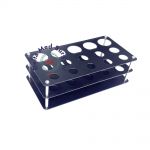
- Storage: Instruments should be stored in a temperature-controlled, low-humidity environment in perforated trays with silicone mats to protect delicate tips and edges
- Surgical instrument care
- Instrument cleaning and sterilization
- Medical instrument maintenance
- Surgical tool care
- Instrument sterilization methods
- Hospital instrument care
- Stainless steel instrument maintenance
|