
Fat Transfer Cannulas vs Liposuction Cannulas
Fat Transfer Cannulas vs. Liposuction Cannulas – Key Differences Explained
Introduction
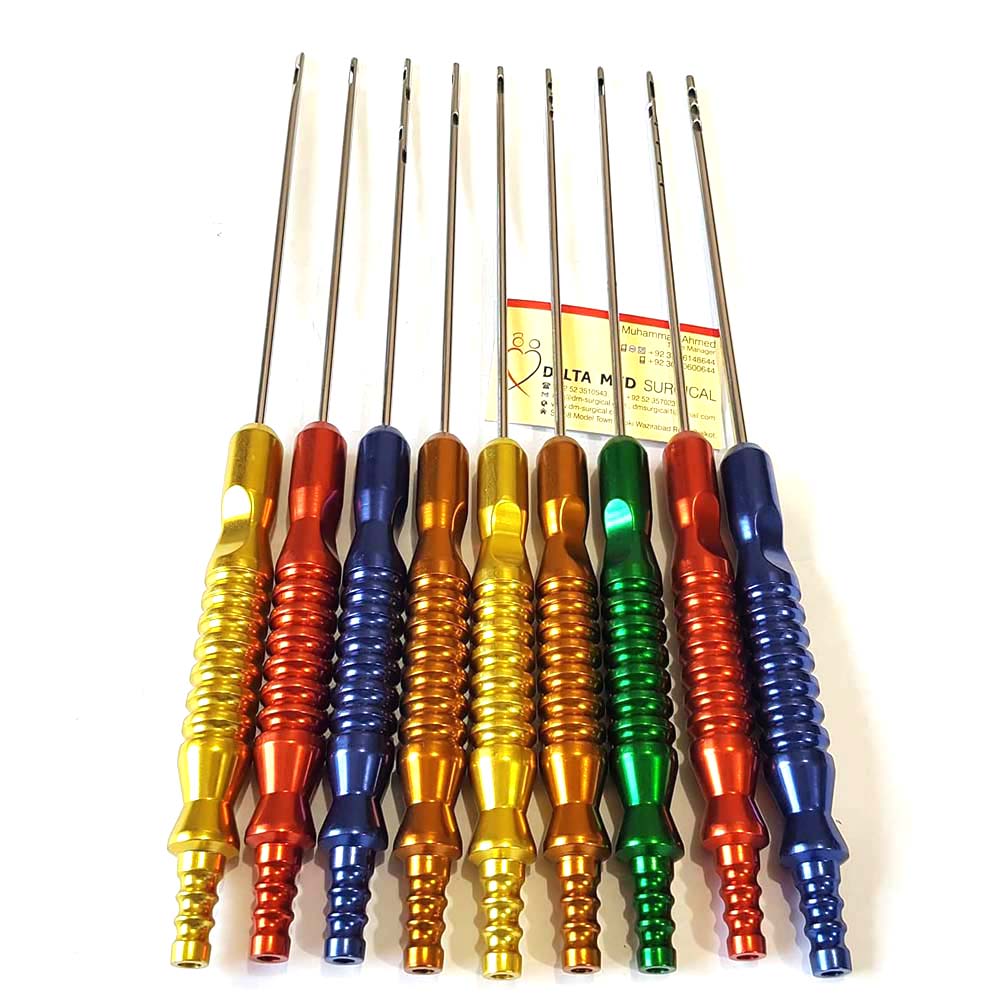
Plastic and cosmetic surgery procedures often require specialized surgical instruments designed for precise fat removal and fat transfer techniques. Two of the most commonly used instruments in these procedures are liposuction cannulas and fat transfer cannulas.
Although these instruments appear similar in design, they serve different purposes in cosmetic surgery. Understanding the differences between fat transfer cannulas and liposuction cannulas is important for surgeons, medical distributors, and healthcare professionals.
Manufacturers such as Delta Med Surgical produce a variety of plastic surgery instruments designed to support both liposuction and fat grafting procedures.
This article explains the key differences between these two types of cannulas and their roles in modern plastic surgery.
What Are Liposuction Cannulas?
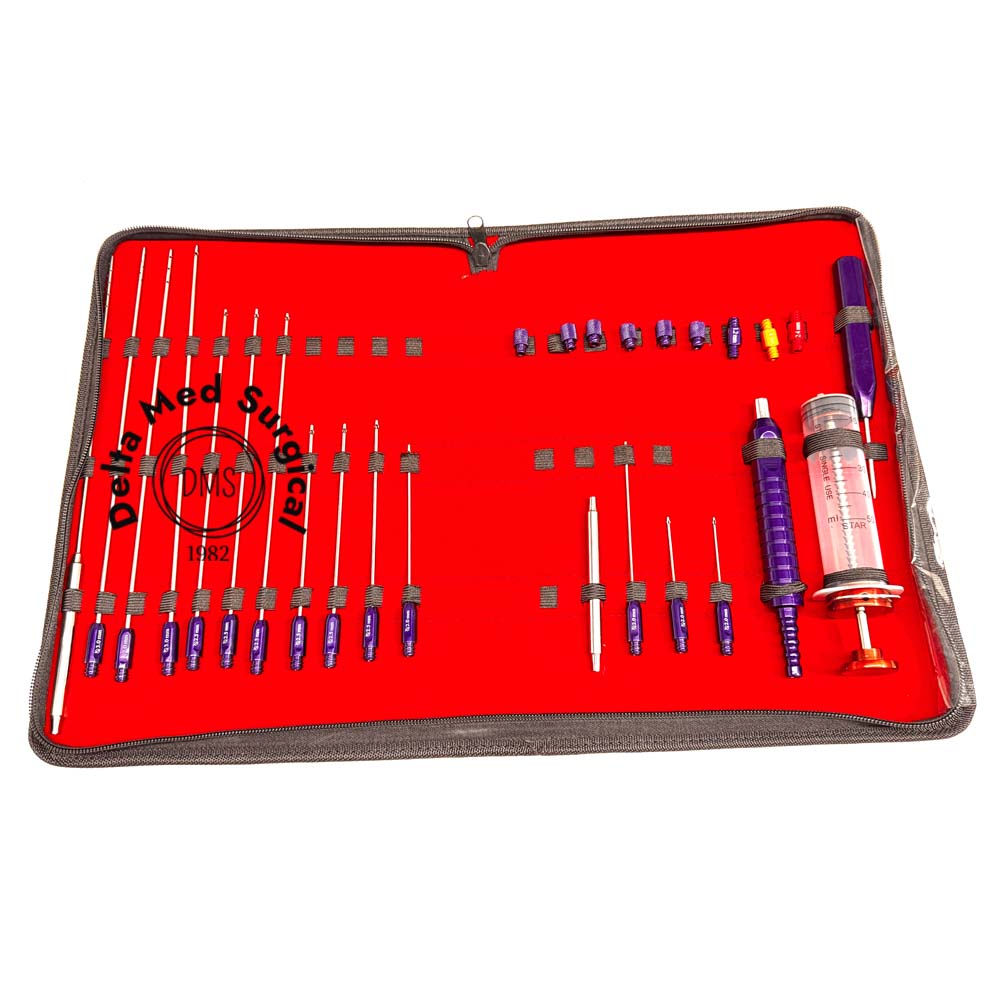
A liposuction cannula is a surgical instrument used to remove fat deposits from the body during liposuction procedures. The cannula is a thin, hollow tube connected to a suction device that extracts fat cells from beneath the skin.
How Liposuction Cannulas Work
During the procedure:
- Small incisions are made in the treatment area.
- The cannula is inserted through the incision.
- The cannula moves back and forth to break up fat cells.
- A suction device removes the fat from the body.
Liposuction cannulas are available in various sizes and tip designs depending on the treatment area and surgical technique.
Common Uses of Liposuction Cannulas
Liposuction cannulas are used to remove fat from areas such as:
- Abdomen
- Thighs
- Hips
- Arms
- Chin
- Back
These cannulas are designed primarily for fat removal and body contouring.
What Are Fat Transfer Cannulas?
Fat transfer cannulas are used during fat grafting procedures, where fat removed from one area of the body is rejected into another area to improve shape or volume.
These cannulas are designed for injecting purified fat cells gently into the body.
How Fat Transfer Cannulas Work
Fat transfer procedures typically involve three steps:
- Fat harvesting using liposuction cannulas
- Fat purification to separate healthy fat cells
- Fat injection using fat transfer cannulas
Fat transfer cannulas allow surgeons to place fat cells precisely while minimizing damage to surrounding tissue.
Common Uses of Fat Transfer Cannulas
Fat transfer cannulas are used in procedures such as:
- Facial fat grafting
- Breast augmentation with fat transfer
- Buttock enhancement (BBL procedures)
- Hand rejuvenation treatments
These procedures require delicate instruments that allow controlled fat placement.
Key Differences Between Liposuction Cannulas and Fat Transfer Cannulas
Although both instruments are used in cosmetic surgery, they serve different roles.
Purpose
Liposuction Cannulas
- Used for fat removal
- Break up fat cells and extract them through suction
Fat Transfer Cannulas
- Used for fat injection
- Place purified fat cells into new areas of the body
Tip Design
Liposuction Cannulas
- Often have multiple openings along the tip
- Designed to break fat tissue efficiently
Fat Transfer Cannulas
- Usually have fewer openings
- Designed to allow gentle and precise fat placement
Diameter and Size
Liposuction Cannulas
- Often larger in diameter
- Used for removing larger volumes of fat
Fat Transfer Cannulas
- Usually smaller and more delicate
- Used for controlled fat injection
Surgical Technique
Liposuction Cannulas
- Used with suction machines
- Designed for fat extraction
Fat Transfer Cannulas
- Used with syringes
- Designed for injecting fat into targeted areas
Importance of Instrument Quality
Because both liposuction and fat transfer procedures require high precision, the quality of the cannulas used is extremely important.
High-quality surgical instruments must provide:
- Smooth surface finishing
- Accurate tip design
- Durable stainless steel construction
- Consistent manufacturing precision
Professional manufacturers ensure that cannulas meet strict quality standards to support safe and effective surgical procedures.
Materials Used in Cannula Manufacturing
Most liposuction and fat transfer cannulas are manufactured using medical-grade stainless steel.
Stainless steel is preferred because it offers:
- High corrosion resistance
- Strength and durability
- Compatibility with sterilization processes
- Long service life
Proper polishing and finishing also ensure that the cannula moves smoothly through tissue without causing unnecessary trauma.
Manufacturing Process for Plastic Surgery Cannulas
Professional manufacturers follow a precise production process that includes:
- Raw material selection
- Precision CNC machining
- Tip formation and hole drilling
- Polishing and finishing
- Quality inspection and testing
Manufacturers such as Delta Med Surgical focus on precision manufacturing and strict quality control to ensure that every instrument meets professional surgical requirements.
Choosing the Right Cannula for Surgery
Surgeons select cannulas based on several factors:
Procedure Type
- Liposuction requires cannulas designed for fat extraction.
- Fat grafting requires cannulas designed for injection.
Treatment Area
Different body areas require different cannula sizes and shapes.
Surgical Technique
Advanced cosmetic procedures may use multiple cannula types during the same operation.
Desired Results
The choice of cannula affects surgical precision and final aesthetic outcomes.
Growing Demand for Plastic Surgery Instruments
The global cosmetic surgery industry continues to grow, increasing demand for high-quality plastic surgery instruments.
Medical distributors and cosmetic surgery clinics rely on reliable manufacturers capable of producing precision surgical tools for international markets.
Manufacturers based in surgical instrument hubs such as Sialkot play a major role in supplying these instruments worldwide.
Conclusion
Fat transfer cannulas and liposuction cannulas are essential instruments in modern plastic surgery procedures. While liposuction cannulas are used to remove fat from the body, fat transfer cannulas are designed to inject purified fat into specific areas for cosmetic enhancement.
Understanding the differences between these instruments helps surgeons choose the appropriate tools for each procedure and ensures better surgical outcomes.
As cosmetic surgery techniques continue to evolve, precision surgical instruments manufactured by experienced producers will remain vital to supporting safe and effective aesthetic procedures.
-
Private Label Surgical Instruments Complete Guide
 March 16, 2026
 -
High Quality Surgical Instruments Manufacturer in Pakistan
 January 3, 2025
 -
Neurosurgery Instruments
 April 13, 2021
 -
Fat Transfer Cannulas vs Liposuction Cannulas
 April 8, 2021
 -
Types of Liposuction Cannulas Used in Plastic Surgery
 March 1, 2021