Private Label Surgical Instruments Complete Guide
Blog Title: The Strategic Advantage of Private Label Surgical Instruments for Global Distributors
In the competitive landscape of the modern healthcare industry, medical distributors and hospital procurement departments are constantly seeking ways to balance cost-efficiency with uncompromising quality. One of the most effective strategies to achieve this is through Private Label Surgical Instruments.
By transitioning from generic reselling to a branded private label model, businesses can establish a unique market identity while ensuring clinical excellence.
- Elevating Brand Authority and Loyalty
When a distributor places their own logo on a high-quality surgical tool, they are no longer just a middleman—they become a brand. Private labeling allows you to build long-term equity. Surgeons and clinics are beginning to associate your brand name with reliability, precision, and durability. This brand recognition is the foundation of customer loyalty in the medical field.
- Technical Precision and Material Integrity
Quality is the non-negotiable core of any surgical instrument. A professional private label partnership ensures that every tool meets rigorous technical specifications:
- High-Grade Materials: Utilizing premium stainless steel (such as AISI 410, 420, or 304) ensures superior corrosion resistance and longevity.
- Precision Engineering: From Tungsten Carbide (TC) inserts for needle holders to fine-tipped Micro-Surgical scissors, private-label manufacturing enables customized finishing that meets specific surgical requirements.
- Ergonomic Design: Branded instruments can be tailored for better grip and balance, reducing hand fatigue for medical professionals during long procedures.
- International Compliance and Standards
For a private label brand to succeed globally, it must adhere to international regulatory frameworks. Partnering with a manufacturer that complies with ISO 13485 and CE marking protocols ensures your branded products are ready for the European, American, and Asian markets. This compliance provides the "Trust Signal" that professional healthcare buyers require before making a purchase.
Navigating the 2026 Regulatory Landscape
Compliance is the foundation of any successful medical brand. As of February 2, 2026, the regulatory environment has shifted:
- FDA QMSR Transition: The U.S. FDA has officially transitioned to the Quality Management System Regulation (QMSR), which aligns 21 CFR Part 820 with the international ISO 13485:2016 standard.
- EUDAMED Mandatory Registration: In Europe, registering reusable surgical instruments in the EUDAMED database is now mandatory.
- UDI (Unique Device Identification): All private label instruments must have a permanent UDI laser-etched on the device to ensure traceability and patient safety.
- Customization and Professional Presentation
Private labeling goes beyond the instrument itself. It includes:
- Laser Marking: Permanent, high-resolution etching of logos and article numbers.
- Bespoke Packaging: Branded pouches and boxes that enhance the professional "unboxing" experience for end-users.
- Technical IFUs: Providing branded "Instructions for Use" (IFU) in multiple languages to support global distribution.
Conclusion
Investing in private-label surgical instruments is a forward-thinking move for any medical supply business. It offers a path to higher margins, exclusive market positioning, and a reputation for excellence. By combining technical manufacturing expertise with a strong brand strategy, you can lead the market in 2026 and beyond.
- OEM Surgical Tools
- Custom Medical Instruments
- Surgical Instrument Manufacturing Sialkot
- CE Marked Surgical Tools
-
Private Label Surgical Instruments Complete Guide
 March 16, 2026
 -
High Quality Surgical Instruments Manufacturer in Pakistan
 January 3, 2025
 -
Neurosurgery Instruments
 April 13, 2021
 -
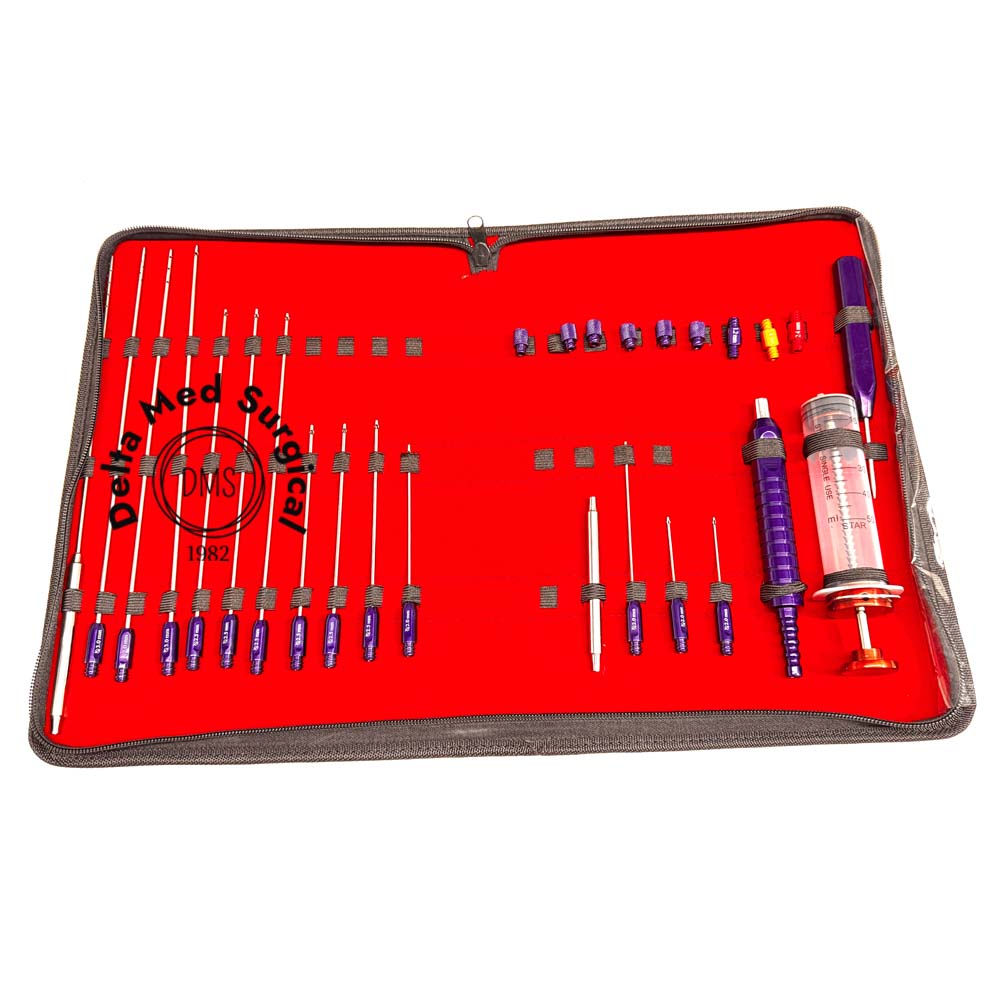
Fat Transfer Cannulas vs Liposuction Cannulas
 April 8, 2021
 -
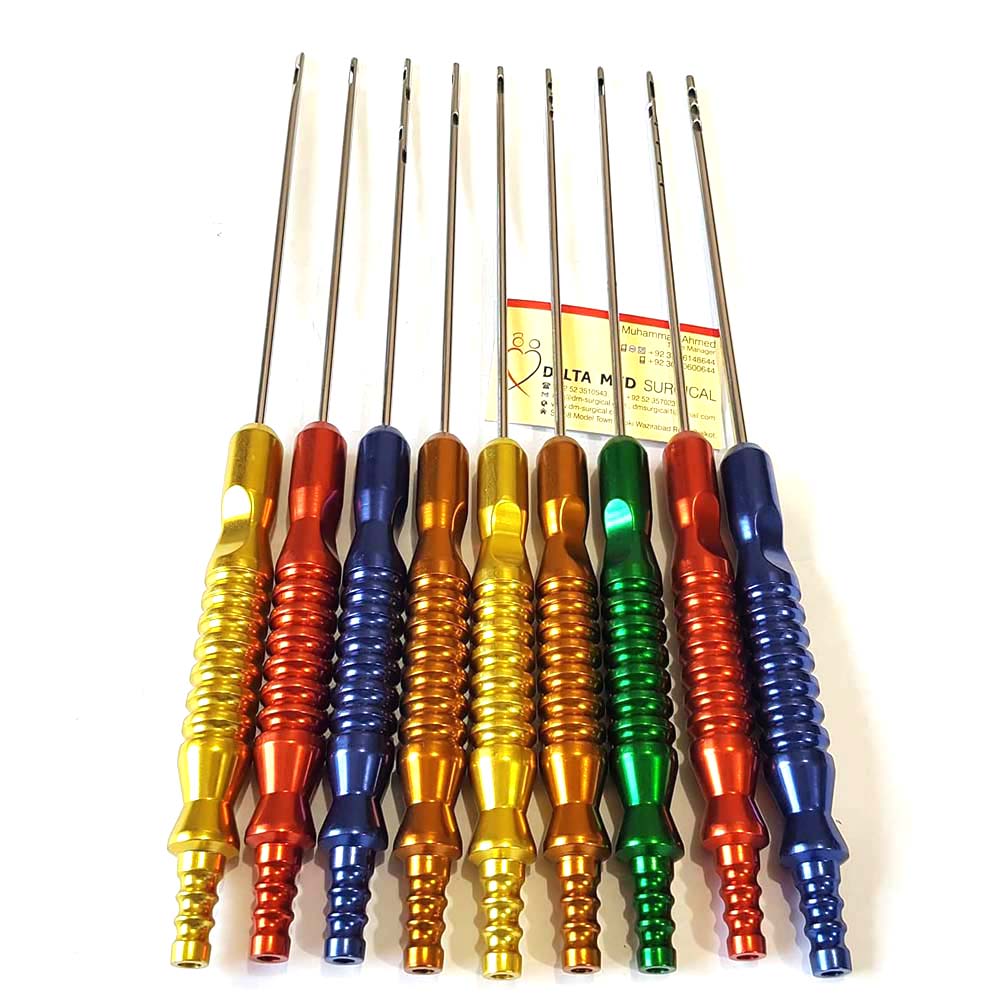
Types of Liposuction Cannulas Used in Plastic Surgery
 March 1, 2021