|
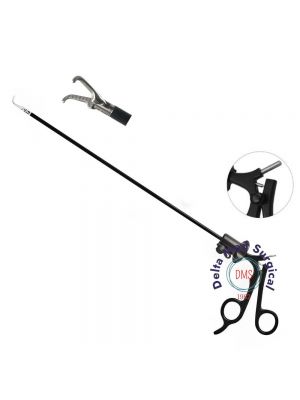
Laparoscopic instruments are specialized, long, and narrow tools used for minimally invasive surgery, inserted through small incisions to perform various surgical tasks with less patient trauma and faster recovery times
Essential Laparoscopic Instruments and Their Uses
- Laparoscope (Camera System): A thin telescope with a light source and high-definition camera that provides a magnified view of the internal organs on a monitor, guiding the surgeon through the procedure.
- Trocars and Cannulas: A trocar is a pointed instrument used to create small entry ports through the abdominal wall, while the cannula is a hollow sleeve that remains in place to provide a working channel for other instruments.
- Insufflator and Verses Needle: The Verses needle is used to achieve pneumoperitoneum (inflating the abdomen with carbon dioxide gas to create a working space), a process regulated by the insufflator.
- Graspers and Forceps: These are used to grasp, hold, and manipulate tissues and organs during surgery. They come in various jaw patterns (e.g., traumatic with teeth for secure holding of tissue to be removed, and traumatic for delicate handling of structures like the bowel or fallopian tubes).
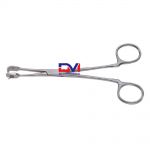
- Babcock Graspers: Often used for holding delicate tissues like intestines.
- Maryland Forceps: Used for precise dissection and manipulation of tissues.
- Scissors: Used for cutting tissues, membranes, and sutures inside the body. Available in different blade designs, such as straight, curved (like Metzenbaum scissors for fine dissection), and hook scissors, many of which can be attached to an electrosurgical unit for cutting and coagulating simultaneously.
- Dissectors: Used to separate and divide tissue planes during surgery. Examples include the Maryland dissector and right-angle dissectors.
- Needle Holders (Needle Drivers): Essential for holding and manipulating suturing needles to close wounds and incisions within the confined space of the abdomen.
- Energy Devices: Instruments like electrosurgical units (monopolar and bipolar) and harmonic scalpels use high-frequency energy or ultrasonic vibrations to cut tissue and seal blood vessels at the same time, reducing bleeding.
- Staplers and Clip Appliers: Laparoscopic staplers are used for sealing and cutting tissue simultaneously, common in gastrointestinal procedures, while clip appliers place clips on blood vessels or other structures to control bleeding (hemostasis).
- Suction and Irrigation Devices: These systems are used to clear the surgical field by removing excess fluid, blood, and debris, using irrigation (saline solution) and aspiration
Certifications: All of our surgical instruments are CE and FDA-approved, ensuring they are reliable and trustworthy.
Standardized Materials: We use high-quality stainless steel and aluminum in the production of our instruments to ensure their durability.
Warranty: In addition to our replacement policy, all of our medical tools come with a one-year money-back guarantee.
|